Productivity
Learn Something New Every Day: How a Timer Makes Daily Learning Stick
Published July 29, 2026 · 7 min read · Compilation — assembled from multiple sources by Jeanine, Spiderwebagent.com
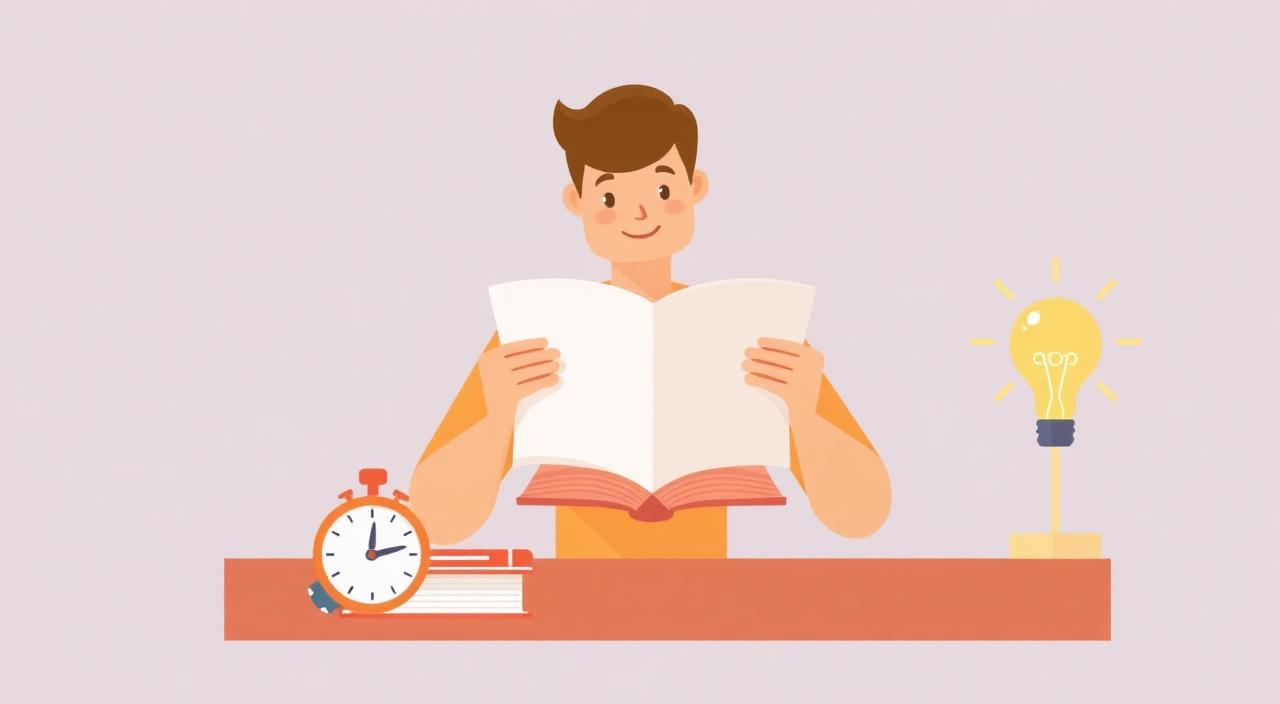
"Learn something new every day" sounds inspiring until 6 p.m. rolls around and you've done nothing but answer emails. The problem isn't motivation. It's structure. Without a clear start and stop time, learning gets pushed to "later," and later never arrives. A timer fixes that. It turns vague ambition into a bounded, repeatable ritual — and that's exactly what a habit needs to survive.
Why daily learning compounds so fast
Fifteen minutes a day is almost two hours a week. In a year, that's nearly a hundred hours of focused learning — enough to get conversational in a language, finish several books, or build real skill in a new hobby. The magic isn't intensity; it's consistency. Small daily sessions beat occasional marathon study sessions because your brain gets repeated exposure, which is how memory actually works.
Daily learning also keeps your brain flexible. Research on cognitive aging consistently shows that regular mental challenge helps maintain memory, processing speed, and problem-solving. You don't need to become an expert. You just need to keep the pump primed.
The real enemy: open-ended good intentions
Most people fail at daily learning because the goal is fuzzy. "I want to learn Spanish" or "I should read more" has no trigger, no duration, and no finish line. Your brain treats it like background noise. A timer solves all three problems at once: it tells you when to start, how long you'll work, and when you're done. That bounded container is what makes the session feel doable instead of overwhelming.
This is the same principle behind the Pomodoro method and time blocking. When time is limited, you stop overthinking and start producing. Learning works the same way.
5 ways to use a timer for daily learning
1. The 15-minute morning micro-lesson
Before you check your phone or email, set a 15-minute countdown timer and learn one discrete thing. One vocabulary lesson. One video chapter. One page of a textbook. The early-morning slot is usually the most protected part of your day, and a hard stop prevents learning from eating into work time.
2. The commute or chore countdown
Turn dead time into learning time. Queue up a podcast, audiobook, or language lesson and start a timer for the length of your commute, dog walk, or dishwashing session. The timer keeps you from zoning out and gives you a concrete win: "I learned for 22 minutes."
3. The lunch-break language sprint
Set a 10-minute timer right after you finish eating and do one focused drill: flashcards, pronunciation practice, or a short article in your target language. Short sprints are easier to protect from coworkers and meetings, and they add up shockingly fast.
4. The wind-down review
Before bed, run a 5-minute timer and review what you learned that day. Say it out loud, write one sentence, or explain it to someone. This tiny retrieval practice dramatically improves retention compared to just re-reading. A stopwatch works here too if you want to see how fast you can summarize the idea.
5. The weekend deep-dive block
Use one 45-minute countdown on Saturday or Sunday for a project that needs longer focus: a coding tutorial, a woodworking video, a photography lesson. The timer keeps you from drifting into your phone, and the weekly rhythm gives you something to look forward to.
How to actually remember what you learn
Exposure isn't enough. To retain something, you have to retrieve it. After each timed session, jot down one key idea in your own words. Then review it 24 hours later, three days later, and a week later. This spaced retrieval is the core of effective learning — much more effective than highlighting or re-watching.
Another cheat code: teach it. When you explain a concept to someone else — or even to an imaginary audience — you find the gaps in your understanding instantly. If you can't explain it simply, you don't know it yet. Use a timer to give yourself 3 minutes to teach the idea out loud. The pressure sharpens your thinking.
Make it ridiculously easy to start
The best daily learning habit is the one you'll actually do. Lower the barrier: keep your learning material open in a tab, put your book on the pillow, leave flashcards by the coffee maker. Pair the habit with something you already do. And always start the timer before you start the task — the click is the commitment.
You don't need a fancy app. You need a start time, a stop time, and a willingness to be a beginner for 15 minutes. TimerHubs gives you both the countdown timer for focused sprints and the stopwatch for measuring how long a practice session actually takes. Use whichever fits the task.
Frequently Asked Questions
How long should a daily learning session be?+
Start with 10 to 15 minutes. That's long enough to make progress and short enough that you can't talk yourself out of it. As the habit sticks, you can expand the block.
Is it really possible to learn something new every day?+
Yes — if you define 'learn' as adding one new fact, skill, or connection. You don't need mastery. One clear takeaway per day is enough to compound over time.
Countdown or stopwatch — which is better for learning?+
Use a countdown when you want focused, time-boxed practice. Use a stopwatch when you want to measure how long a task or drill takes. Both work; pick the one that matches your goal.
What if I miss a day?+
Missing one day doesn't break the habit. Missing two usually does. The fix is to make the session so small and so easy to start that you can do it even on bad days. Five minutes still counts.
Can kids use this method too?+
Absolutely. Kids respond well to visible timers because the end is predictable. Try timed spelling drills, math races, or reading sprints. See our guide to <Link to='/blog/timing-each-other-kids' class='text-primary hover:underline'>kids timing each other</Link> for ideas.